
Cooperation and partnerships
One of the Srebrenica Memorial Centre’s most significant international engagements this year took place in Geneva, through a series of meetings with United Nations human rights mechanisms. Bosnia and Herzegovina conveyed an important message on the need for stronger international engagement in protecting victims’ rights, combating genocide denial and ensuring accountability for crimes committed.
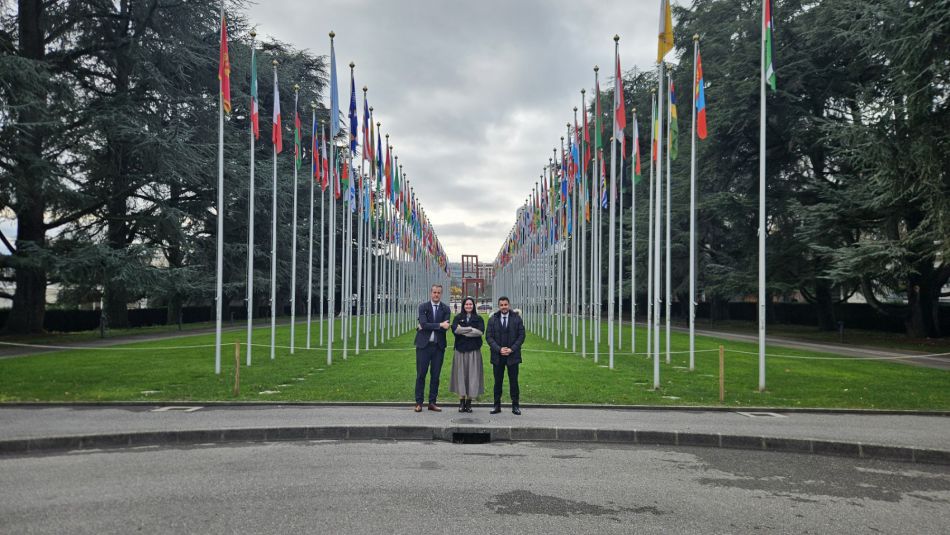
A delegation from the Srebrenica Memorial is undertaking a multi-day working visit to Geneva, holding discussions with representatives of the United Nations, international organisations and academic institutions on human rights protection, genocide prevention, peacebuilding and education.
The visit is supported by the Government of the Kingdom of the Netherlands, as part of a programme through which the Memorial has established cooperation with institutions and organisations across ten countries: the United States, Ukraine, Sweden, Denmark, Austria, the Netherlands, Slovenia, Croatia, Italy and Switzerland.
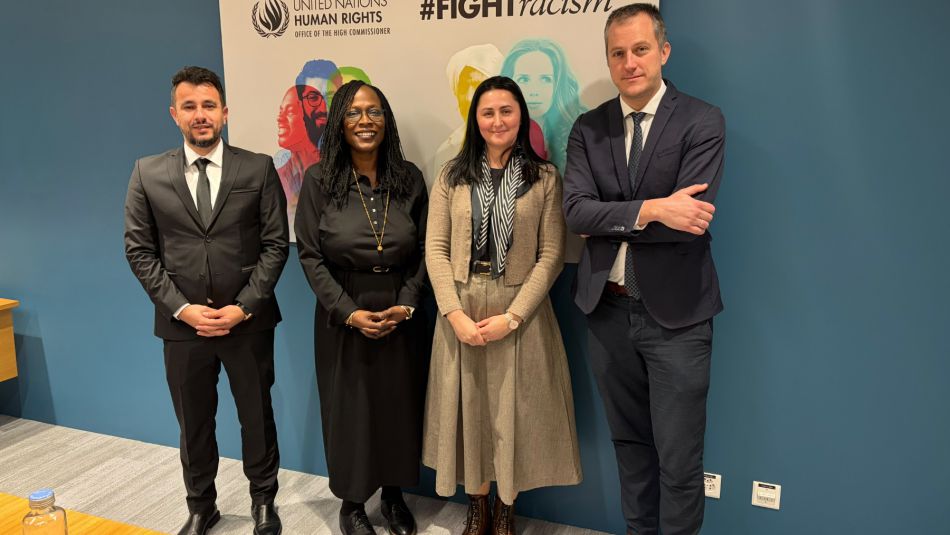
During a meeting with Awa Dabo, United Nations Deputy High Commissioner for Human Rights, discussions focused on dialogue about the past, commemorating the anniversary of the Srebrenica genocide, and opportunities for the Memorial Centre to draw on its experience and expertise to support other societies affected by conflict and mass atrocities.
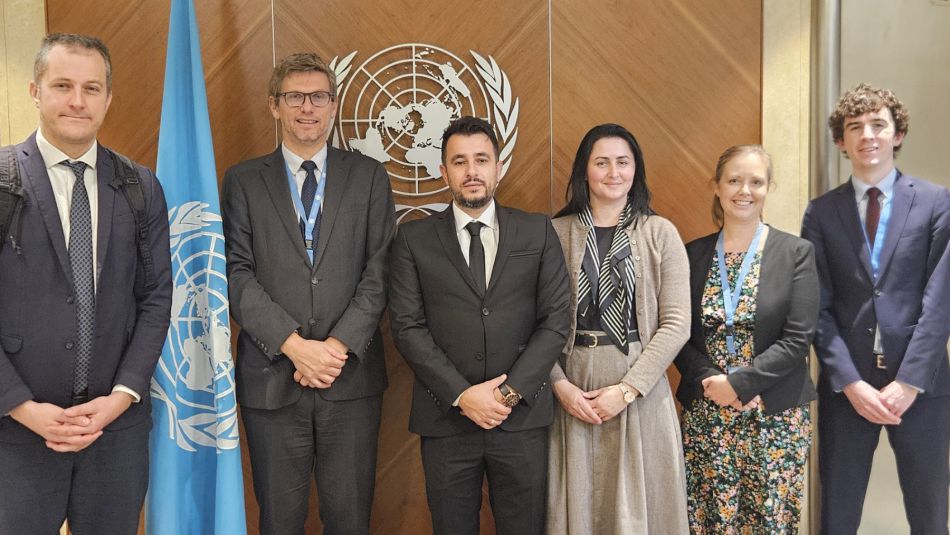
Meetings were also held with representatives of the Office of the Director-General of the United Nations Office at Geneva and UN mechanisms responsible for transitional justice, enforced disappearances, extrajudicial executions and the protection of human rights defenders.
The United Nations was urged to take concrete steps towards ensuring greater accountability among countries in the region in providing information on mass graves and missing persons, including opening military and police archives. Particular attention during the briefings with UN representatives was given to police pressure and questioning of Memorial Centre staff and associates, security threats, genocide denial and hate speech.
“Our responsibility is not only towards those we have lost, but also towards the generations to come. We must protect them from the consequences of genocide denial, the normalisation of hate speech and the recurrence of patterns that led to genocide. We expect international institutions to continue monitoring the situation of the Bosniak returnee community, victims’ families and human rights defenders,” said Almasa Salihović-Huseinović, spokesperson for the Srebrenica Memorial Centre.
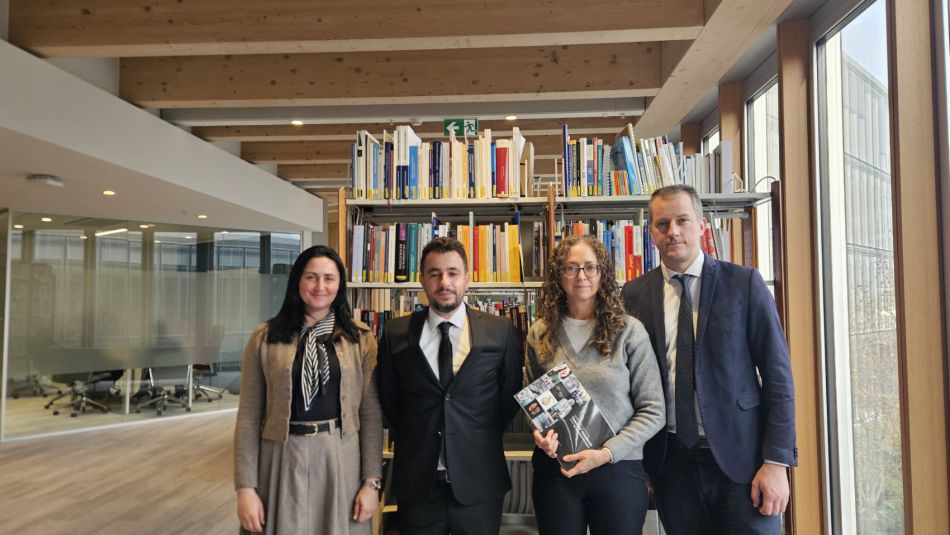
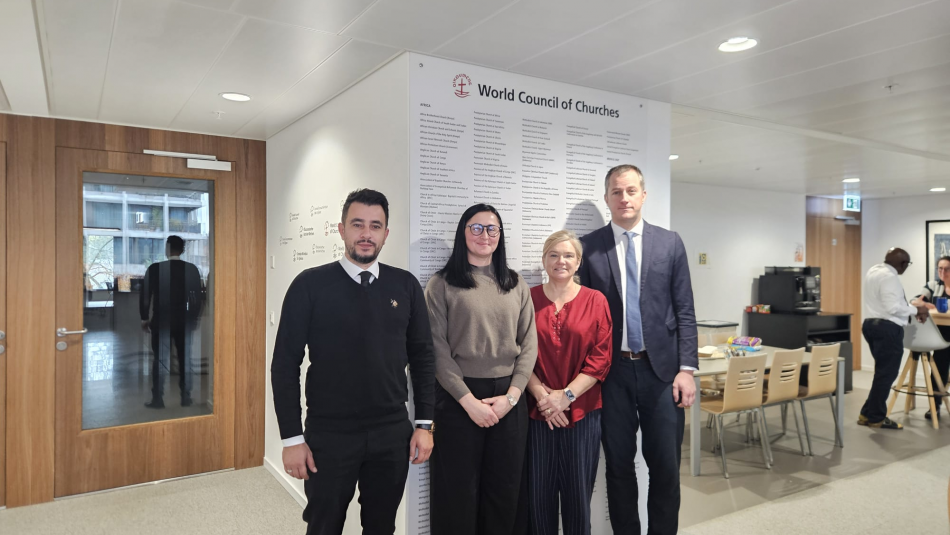
The delegation also met with the World Council of Churches to discuss expanding the Dialogue Board initiative, and with the Geneva Academy of International Humanitarian Law and Human Rights to explore the development of international educational programmes. The programme of the visit also includes a meeting with representatives of the International Committee of the Red Cross concerning access to archival materials.
“Thanks to the support of the Government of the Kingdom of the Netherlands for our ‘Teaching Teachers’ programme, we expect to welcome 40 representatives of educational institutions from Europe and the United States to Srebrenica in early December. We also presented activities supported by the UN Peacebuilding Fund, which we are implementing in partnership with BIRN Bosnia and Herzegovina, the Forgotten Children of War Association and the relevant ministries of education. We are grateful to the team of the UN Secretary-General’s Special Adviser on the Prevention of Genocide for their assistance in organising this visit, as well as to the United Nations team in Bosnia and Herzegovina for our continued cooperation,” said Edin Ikanović, Educational Programmes Coordinator at the Srebrenica Memorial.
“Through our engagements with the United Nations in Geneva, our visit to Kyiv and the establishment of lasting partnerships in Ukraine, our visit to St Louis in the United States, and numerous meetings and connections established over the past year, we have demonstrated the strength of our message and the capabilities of our institution. We will continue to strengthen the Memorial Centre’s international presence and work to ensure that Srebrenica, alongside its role as a place of remembrance of genocide, is recognised as a centre of knowledge and expertise that can contribute to the pursuit of justice worldwide,” Ikanović concluded.
The Srebrenica Memorial delegation in Geneva comprises Almasa Salihović-Huseinović, Edin Ikanović and Nedim Jahić.
Last
Archive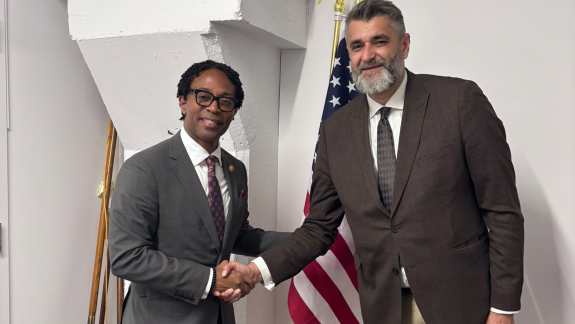


This website has been developed with the support of the UK Government through the Truth, Dialogue, Future project. The views expressed on this website do not necessarily reflect the views of the United Kingdom Government.